
How Red Light Therapy Can Help Heal Wounds Like Bed Sores and Diabetic Foot Ulcers
Red light therapy, also known as photobiomodulation, is a safe, non-invasive treatment that uses specific wavelengths of light to help the body heal itself. It has been studied for decades and is used in hospitals, clinics, and even at home to speed up wound healing. This article explains, in simple terms, how red light therapy works, why it helps with slow-healing wounds like bed sores and diabetic foot ulcers, and what the science says.
What Is Red Light Therapy?
Red light therapy uses low levels of red and near-infrared light to treat the skin and tissues just below it. The light comes from LEDs or low-power lasers. It does not get hot, does not burn, and does not hurt. Sessions usually last 10 to 20 minutes, and the light is placed a few inches from the skin.
The light used is in the red range (around 630 to 660 nanometers) and near-infrared range (around 810 to 850 nanometers). These wavelengths can pass through the skin and reach cells without causing damage.
This treatment is not new. Research on light therapy for healing began in the 1960s. NASA studied it in the 1990s to help astronauts heal wounds in space, where healing is slower due to zero gravity. Today, many medical devices using red light therapy are cleared by the FDA for specific uses, including wound care.
Why Do Some Wounds Heal Slowly?
Normal wounds heal in stages: first, the body stops bleeding, then it fights infection, builds new tissue, and finally closes the skin. But some wounds get stuck.
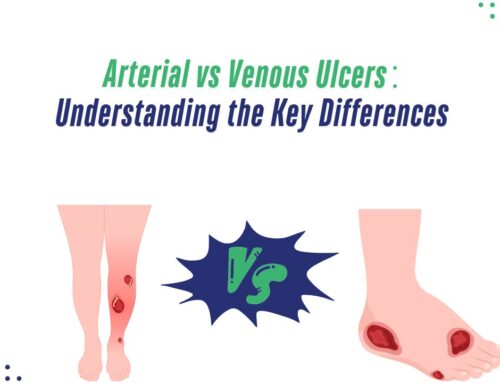
- Bed sores (also called pressure ulcers) happen when constant pressure cuts off blood flow to the skin, usually over bony areas like the heels, hips, or tailbone. Without good blood flow, the tissue dies and forms an open sore.
- Diabetic foot ulcers form because high blood sugar damages nerves and blood vessels. Poor circulation means less oxygen and nutrients reach the wound. Nerves that are damaged mean a person may not feel a small injury, so it goes untreated and gets worse.
Both types of wounds are slow to heal because of poor blood flow, ongoing pressure, and sometimes infection. Standard care includes cleaning the wound, removing dead tissue, using special dressings, and taking pressure off the area. But even with good care, healing can take weeks or months.
How Does Red Light Therapy Help Wounds Heal?
Red light therapy works by giving cells more energy and helping the body’s natural repair systems work better. Here is how it helps, step by step:
1. The Light Reaches the Cells
When red or near-infrared light hits the skin, it is absorbed by a part of the cell called the mitochondria. Mitochondria are like the power plants of the cell; they make energy in the form of ATP. The light helps the mitochondria work better, so cells have more energy to repair tissue.
2. It Reduces Swelling and Pain
Wounds often stay open because of too much swelling. Red light therapy lowers the chemicals in the body that cause swelling and increases the ones that calm it down. This means less pain and a better environment for healing.
3. It Helps Build New Blood Vessels
Healing needs good blood flow to bring oxygen and nutrients. Red light therapy increases a substance called vascular endothelial growth factor (VEGF), which tells the body to grow new blood vessels. More blood vessels mean faster delivery of what the wound needs to close.
4. It Boosts Collagen Production
Collagen is the protein that gives skin strength and helps close wounds. Red light therapy helps skin cells called fibroblasts make more collagen. The result is stronger, healthier new tissue and less scarring.
5. It Helps Fight Infection
Some red-light wavelengths can reduce bacteria in the wound, especially common ones like Staphylococcus aureus. This lowers the chance of infection, which is a major reason wounds stay open.
6. It Speeds Up Skin Regrowth
The top layer of skin needs to grow across the wound to close it. Red light therapy helps skin cells move and multiply faster, covering the wound sooner.
Who Can Use Red Light Therapy?
Red light therapy is safe for most people. It has no ultraviolet light, so it does not cause sunburn or skin cancer. Side effects are rare and mild, like temporary redness.
It is especially helpful for:
- People with bed sores from being bedridden or in a wheelchair
- People with diabetes who have foot or leg ulcers
- Anyone with a chronic wound that has not improved after 4 weeks of standard care
It is not a replacement for good wound care. It works best when combined with:
- Keeping the wound clean
- Removing dead tissue (debridement)
- Using the right dressings
- Taking pressure off the area (special mattresses, cushions, or shoes)
How Is It Done in Clinics and at Home?
In Clinics
Many wound care centers, hospitals, and physical therapy offices offer red light therapy. A nurse or therapist places a light panel or handheld device over the wound for 10 to 20 minutes. Treatment is usually done several times a week. The settings (wavelength, power, and time) are based on proven medical protocols.
At Home
There are FDA-cleared home devices, like flexible pads or panels, that people can use after training. A doctor or wound specialist should guide the treatment plan. Home use is convenient for long-term care, but the device must deliver the right dose of light. Cheap, low-power devices sold online may not work.
What to Expect
Most people feel nothing during treatment, no heat, no pain. Some notice less soreness in the area after a few sessions.
Healing does not happen overnight. Improvement is usually seen in 2 to 4 weeks, with full closure taking 4 to 12 weeks, depending on the wound size and health of the person.
Safety and Limitations
Red light therapy is very safe when used correctly. It should not be used:
- Directly over active cancer (as a precaution, though no harm has been proven)
- By people with photosensitive epilepsy (flashing lights could trigger seizures)
- On very deep wounds where light cannot reach
Always follow instructions from your healthcare provider.
The Reality of Red-Light Therapy
Red light therapy is a proven, gentle way to help the body heal slow wounds like bed sores and diabetic foot ulcers. It gives cells more energy, reduces swelling, improves blood flow, and helps build new tissue. When added to standard wound care, it can speed healing and reduce complications.
If you or a loved one has a wound that is not getting better, talk to a doctor or wound care specialist. They can tell you if red light therapy is right for you and how to use it safely.
Healing is possible. With the right care and tools like red light therapy, many stubborn wounds can close and stay closed.
You can learn more about how the Veterans Administration is using Red Light Therapy for Wound Care here.
More About Red Light Therapy
Experience the power of light to support healing, reduce pain, and improve circulation—without drugs or downtime.
Wound Care Support
- Accelerates healing of diabetic foot ulcers and chronic wounds
- Reduces inflammation and infection risk
Neuropathy Relief
- Improves blood flow to damaged nerves
- Eases burning, tingling, and numbness in the feet and legs
Safe. Gentle. FDA-Cleared.
- No needles, no side effects
- Comfortable 10–30 minute sessions
- Offered in-clinic or as part of take-home care kits
Expanded Clinical Uses of Red Light Therapy
Skin Health & Anti-Aging
- Reduces wrinkles, fine lines, and stretch marks
- Improves skin tone and texture
- Supports collagen production and elasticity
- Used in dermatology for acne, rosacea, and psoriasis
Hair Regrowth
- Stimulates hair follicles to promote growth in androgenic alopecia (male/female pattern baldness)
- Often used in combination with topical treatments
Muscle Recovery & Performance
- Speeds up recovery after exercise or injury
- Reduces muscle fatigue and soreness
- Used by athletes and physical therapists
Arthritis & Joint Inflammation
- Reduces pain and stiffness in osteoarthritis and rheumatoid arthritis
- Improves joint mobility and comfort
Ask your provider if Red Light Therapy is right for you.
Cash-pay packages available. Fee waivers may apply.